Bridging the Energy Divide: Challenges and Solutions in Urban and Rural India
India, a nation of diverse landscapes and cultures, faces unique challenges in meeting its energy demands. As the country undergoes rapid urbanization and development, cities grapple with soaring energy requirements, while rural areas continue to struggle with limited access to modern energy resources. This article sheds light on the major issues that plague both urban and rural India concerning energy resources and proposes potential solutions to bridge the energy divide.

Urban India's Energy Woes:
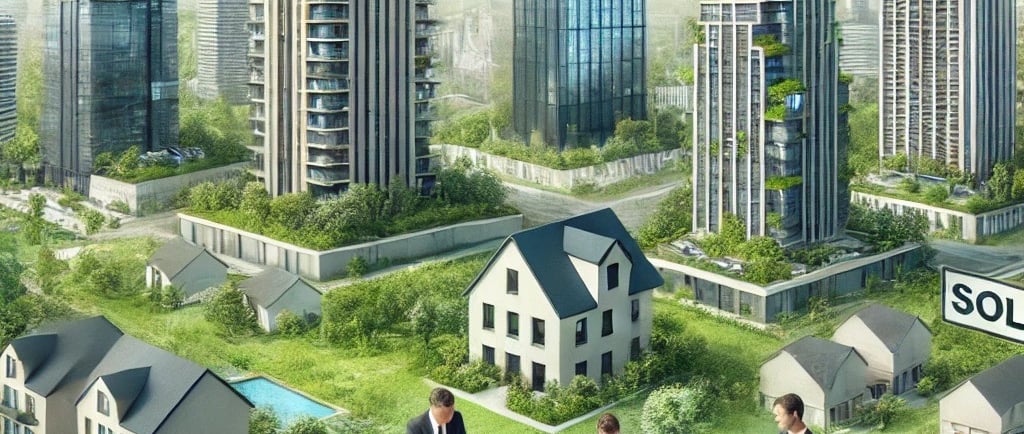
Urbanization has brought prosperity and opportunities to millions but also strains energy resources. The surge in urban population has led to an unprecedented demand for electricity, resulting in frequent power shortages and increased energy costs. Cities often depend heavily on fossil fuels, contributing to pollution and environmental degradation. Furthermore, energy inefficiency in buildings and transportation adds to the burden, making energy conservation crucial.
Potential Solutions:
1. Promote Renewable Energy: Encouraging the integration of solar panels on rooftops and wind turbines in urban areas can harness renewable energy sources and reduce reliance on conventional power.
2. Implement Smart Grids: Upgrading energy distribution systems with smart grids would enhance efficiency, enable real-time monitoring, and reduce energy wastage.
3. Energy-Efficient Buildings: Mandating and incentivizing energy-efficient construction methods and technologies can lead to significant energy savings in urban infrastructures.
4. Public Awareness Campaigns: Raising awareness about responsible energy consumption can drive behavioral changes and foster a culture of energy conservation.
Rural India's Energy Challenges:
Despite being the backbone of the nation, rural areas face severe energy poverty. Many communities lack access to the national power grid, and those electrified may experience unreliable supplies. Traditional energy sources like biomass are widely used for cooking and heating, leading to health hazards and environmental degradation. The absence of clean cooking solutions further exacerbates the problem.
Potential Solutions:
1. Rural Electrification: Investing in rural energy infrastructure, particularly in remote areas, is essential to provide reliable electricity access to all communities.
2. Off-Grid Solutions: Promoting decentralized renewable energy solutions like solar microgrids can cater to the specific energy needs of rural areas.
3. Clean Cooking Technologies: Encouraging the adoption of clean cooking alternatives, such as LPG and biogas, can improve health outcomes and reduce environmental impact.
4. Government Support: Providing subsidies and financial incentives for clean energy technologies can make them more accessible to rural households.
Conclusion:
The energy divide in India, between urban and rural areas, presents a significant challenge for the nation's progress. Addressing these energy issues requires a comprehensive approach, involving sustainable energy policies, technological innovations, public awareness, and financial support. By investing in renewable energy, promoting energy efficiency, and prioritizing rural electrification, India can bridge the energy divide and pave the way for a sustainable and equitable future. As a nation, India must act decisively to secure its energy future while ensuring that every citizen has access to clean, reliable, and affordable energy resources. Only then can India's journey towards sustainable development truly be inclusive and successful.
Major Infrastructure Issues in Urban India:
1. Traffic Congestion: Rapid urbanization has led to a significant increase in vehicular traffic, resulting in chronic traffic jams and increased commute times.
2. Inadequate Public Transportation: Many urban areas lack efficient and well-connected public transportation systems, leading to heavy reliance on private vehicles.
3. Poor Road Conditions: Urban roads often suffer from inadequate maintenance, potholes, and insufficient capacity to handle the growing traffic load.
4. Lack of Parking Facilities: Urban areas face challenges in providing adequate parking spaces, leading to haphazard parking and further exacerbating traffic issues.
5. Housing Shortage: Affordable housing remains a significant challenge in urban areas, resulting in slums and informal settlements.
6. Insufficient Sanitation Facilities: Some urban areas still lack proper sanitation infrastructure, leading to health and environmental issues.
7. Inadequate Waste Management: Many cities struggle with waste disposal and recycling, leading to mounting garbage problems.
8. Urban Sprawl: Unplanned urban expansion leads to the loss of green spaces, encroachment on natural habitats, and increased infrastructure demands.
9. Water Scarcity: Urban centers often face water shortages due to growing populations and mismanagement of water resources.
10. Inadequate Power Supply: Some urban areas experience regular power cuts and unreliable electricity supply.
Major Infrastructure Issues in Rural India:
1. Poor Road Connectivity: Many rural areas lack well-maintained roads, making transportation challenging, especially during monsoons.
2. Lack of Electricity Access: Rural regions often suffer from inadequate electricity infrastructure, hindering development and modern amenities.
3. Limited Access to Clean Water: Rural communities often struggle with accessing safe drinking water and proper sanitation facilities.
4. Insufficient Healthcare Facilities: Rural areas face a shortage of medical facilities and skilled healthcare professionals, leading to inadequate healthcare services.
5. Education Infrastructure: Rural schools often lack proper infrastructure, including classrooms, libraries, and technology, impacting the quality of education.
6. Agriculture Infrastructure: Outdated and insufficient agricultural infrastructure limits productivity and hinders the growth of the farming sector.
7. Digital Divide: Lack of internet connectivity and digital infrastructure in rural areas hampers access to information and modern communication tools.
8. Post-Harvest Losses: Inadequate storage and transportation infrastructure lead to significant post-harvest losses for farmers.
9. Lack of Financial Services: Many rural areas have limited access to banking and financial services, hindering economic growth and financial inclusion.
10. Inadequate Housing and Sanitation: Poor-quality housing and lack of sanitation facilities are prevalent issues in rural areas.
11. Irrigation Facilities: Insufficient irrigation infrastructure affects agricultural productivity and exacerbates the impact of droughts.
12. Limited Connectivity to Markets: Poor transportation and logistics infrastructure hinder farmers' access to markets and fair prices for their produce.
13. Environmental Degradation: Inadequate waste management and improper land-use practices contribute to environmental degradation in rural areas.
14. Health Awareness and Access: Limited healthcare awareness and inadequate transportation to medical facilities contribute to health disparities in rural communities.
15. Skill Development and Employment Opportunities: Rural youth often face challenges in accessing skill development programs and finding suitable employment opportunities.
16. Energy Access: Lack of reliable and sustainable energy sources impacts rural households and impedes economic development.
17. Education Quality: Rural schools often lack qualified teachers, leading to subpar education quality.
18. Access to Government Services: Limited availability of government offices and digital services in rural areas hinders access to essential services.
19. Disaster Resilience: Insufficient infrastructure for disaster management and preparedness leaves rural areas vulnerable to natural disasters.
20. Cultural Preservation: Rapid urbanization may lead to the erosion of traditional rural cultures and lifestyles.
Lack of Energy Resources Issues in Urban India:
1. High Energy Demand: Rapid urbanization and population growth result in increased energy demand, straining existing resources.
2. Power Shortages: Urban areas often face frequent power cuts and load shedding due to inadequate energy infrastructure.
3. Dependence on Fossil Fuels: Many urban areas heavily rely on fossil fuels for energy generation, leading to environmental pollution and climate change concerns.
4. Inefficient Energy Use: Urban centers may lack energy-efficient buildings and transportation systems, leading to wasteful energy consumption.
5. Limited Renewable Energy Integration: Urban areas often face challenges in adopting renewable energy sources like solar and wind due to space constraints and regulatory barriers.
6. Infrastructure Congestion: Overloaded energy infrastructure can lead to bottlenecks, affecting the reliability and stability of the energy supply.
7. Lack of Smart Grids: The absence of advanced energy distribution systems hinders effective management and utilization of energy resources.
8. High Energy Costs: Urban residents may face high energy prices, making it difficult for low-income populations to afford adequate energy access.
9. Inadequate Energy Planning: Lack of comprehensive energy planning may lead to suboptimal allocation and utilization of energy resources.
10. Energy Inequity: Certain urban areas may experience disparities in energy access, with some communities facing greater energy poverty than others.
Lack of Energy Resources Issues in Rural India:
1. Limited Grid Connectivity: Many rural areas lack access to the national power grid, leaving them without a reliable electricity supply.
2. Energy Poverty: A significant portion of rural households lacks access to modern energy services, relying on traditional and inefficient energy sources.
3. Inadequate Electrification: Even in electrified rural areas, the supply may be unreliable and inadequate to meet the energy needs of the community.
4. Dependence on Biomass: Rural households often rely on biomass, like firewood and agricultural waste, for cooking and heating, leading to indoor air pollution and health issues.
5. Lack of Clean Cooking Solutions: Access to clean cooking technologies like LPG (liquefied petroleum gas) is limited in rural areas, impacting health and environment.
6. Low Adoption of Renewable Energy: Despite the potential for solar and wind energy, rural areas face barriers in adopting these technologies due to affordability and awareness.
7. Energy Infrastructure Investment: Insufficient investment in rural energy infrastructure hampers the expansion of electricity access to remote regions.
8. Limited Access to Modern Fuels: Rural communities may have difficulty accessing modern fuels like kerosene and LPG due to distribution challenges.
9. Energy-Water Nexus: Energy scarcity in rural areas can affect water pumping and irrigation, impacting agriculture and livelihoods.
10. Lack of Awareness and Capacity Building: Many rural communities may lack awareness of sustainable energy options and the capacity to adopt them effectively.
Addressing these energy challenges in both urban and rural India requires a multi-faceted approach, including investments in infrastructure, policy reforms, awareness campaigns, and the promotion of sustainable and renewable energy sources.